



Why Pet Owners Are Choosing Smart Cleaning Solutions
Release time: 2026-09-15
Table of Contents
The landscape of pet ownership has undergone a dramatic transformation over the last decade. Dogs and cats are no longer just pets; they are integral members of the family. With this elevated status comes a corresponding increase in the standard of care, nutrition, and environmental hygiene that owners are willing to provide. Among the various innovations—from robotic feeders to interactive cameras—intelligent cleaning solutions have captured the attention of pet owners.
Cleaning Problems
To understand the surge in automated cleaning solutions, one must first examine the core friction points of pet ownership. For feline owners in particular, waste management represents the single most universally disliked aspect of living with a pet. Traditional hygiene management requires daily, manual intervention. Scooping waste, sweeping scattered granules, and constantly battling residual odors demand a continuous investment of time and energy.
In dual-income households or for young professionals working long hours, this daily chore is more than just a nuisance; it is a point of stress. When owners return home exhausted, the immediate requirement to clean a soiled environment detracts from the bonding and relaxation time that makes pet ownership rewarding. Furthermore, cats are notoriously fastidious creatures. A slightly soiled environment can lead to behavioral issues, including inappropriate elimination outside their designated areas, which compounds the owner’s stress and household cleaning burden.
Smart Pet Clean Solution
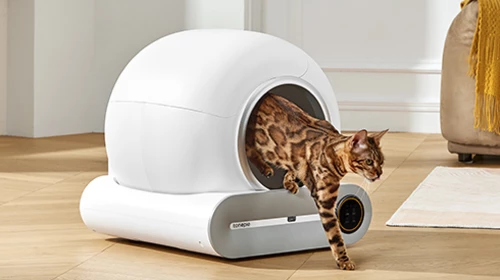
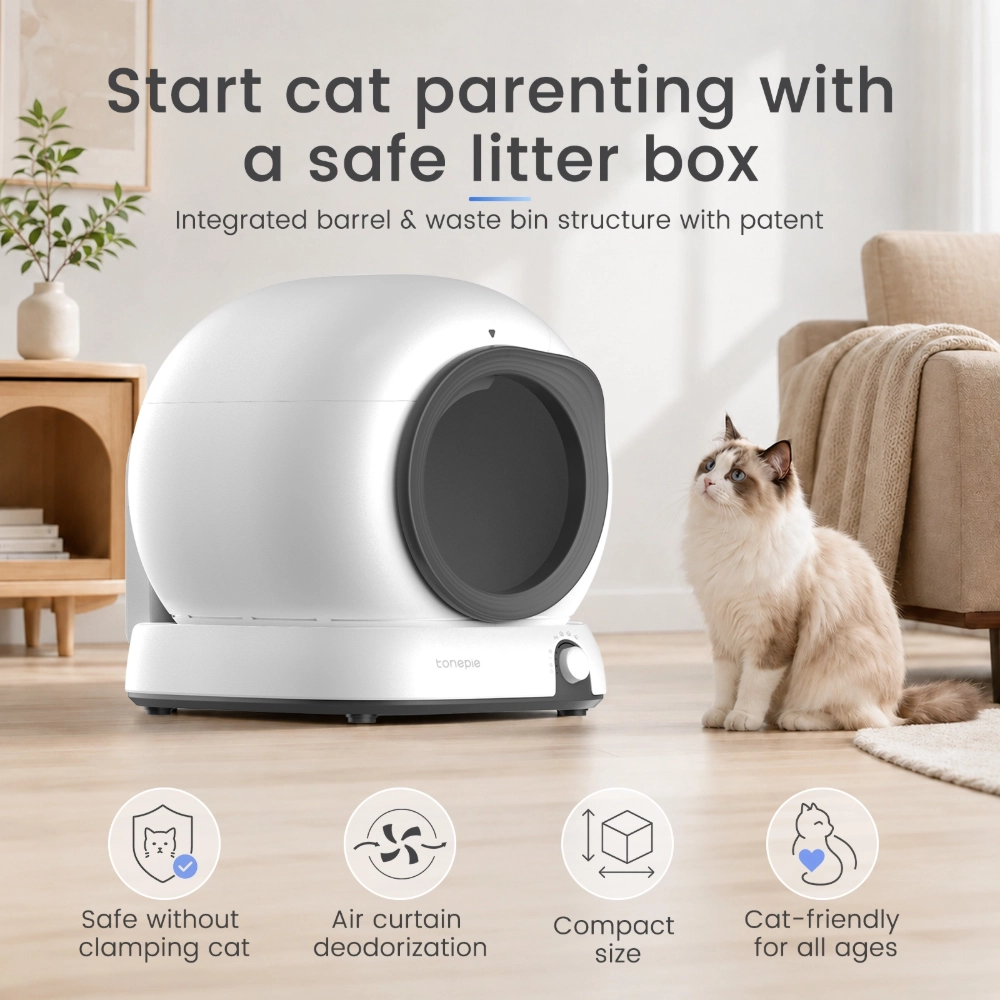
The technology sector recognized this pain point and responded with sophisticated engineering. The advent of the Smart Cat Litter Box has revolutionized how we approach this daily chore, shifting the burden of waste management from the human to a highly efficient, automated system.
These modern systems are not merely mechanical rakes attached to a plastic bin, as early iterations were decades ago. Today’s devices are complex pieces of engineering that integrate seamlessly into the modern smart home ecosystem. They utilize advanced sensors—including gravity, infrared, and microwave radar—to detect when a pet enters and exits the unit. Once a safe interval has passed, the device automatically initiates a cleaning cycle, sifting waste from clean granules and depositing the clumps into a sealed, odor-blocking receptacle.
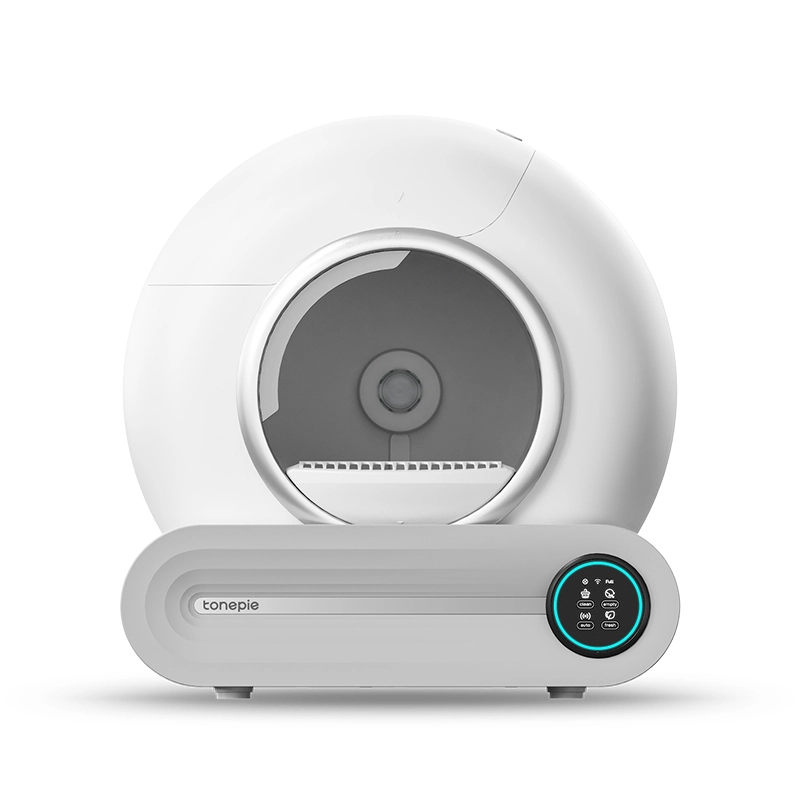
Traditional vs. Automated Systems Cat Litter Box
To quantify the value proposition that is driving consumer adoption, we must compare the traditional manual approach with modern automated systems across several key performance indicators.
| Feature/Metric | Traditional Manual Systems | Automated Intelligent Systems |
| Time Investment | 10-15 minutes daily (approx. 90 hours/year) | 5 minutes weekly (approx. 4 hours/year) |
| Odor Control | Low to Moderate (relies on masking agents) | Superior (sealed compartments, ozone/UV sterilization) |
| Hygiene Consistency | Variable (dependent on owner’s schedule) | Consistently pristine after every use |
| Health Monitoring | None (requires manual observation) | Advanced (app-based weight and frequency tracking) |
| Litter Efficiency | Poor (frequent full replacements required) | High (sifting preserves clean granules, reducing waste) |
| Aesthetic Integration | Intrusive (typically hidden in basements/bathrooms) | Modern (designed like sleek home appliances) |
As the table illustrates, the transition to an automated system represents a significant upgrade in nearly every metric of household management. The return on investment, measured in both time saved and improved living conditions, is a primary driver of the current market trend.
Beyond Convenience – Prioritizing Health
While convenience is the most immediate selling point, the most profound benefit of intelligent cleaning solutions lies in their diagnostic capabilities. Cats, by their evolutionary nature, are stoic animals. They expertly hide signs of illness, pain, or distress until a medical condition becomes severe. Consequently, conditions like Feline Lower Urinary Tract Disease (FLUTD), chronic kidney disease, or gastrointestinal blockages are often diagnosed late, resulting in suffering for the pet and exorbitant veterinary bills for the owner.
Modern automated hygiene systems act as early warning systems. Equipped with precision weight sensors and WiFi connectivity, these devices record data every time the pet uses the facility. They track the pet’s exact weight, the frequency of visits, and the duration of each visit. This data is synthesized and pushed to a smartphone application, creating a baseline of normal behavior for each specific pet (with many systems capable of distinguishing between multiple cats based on weight profiles).
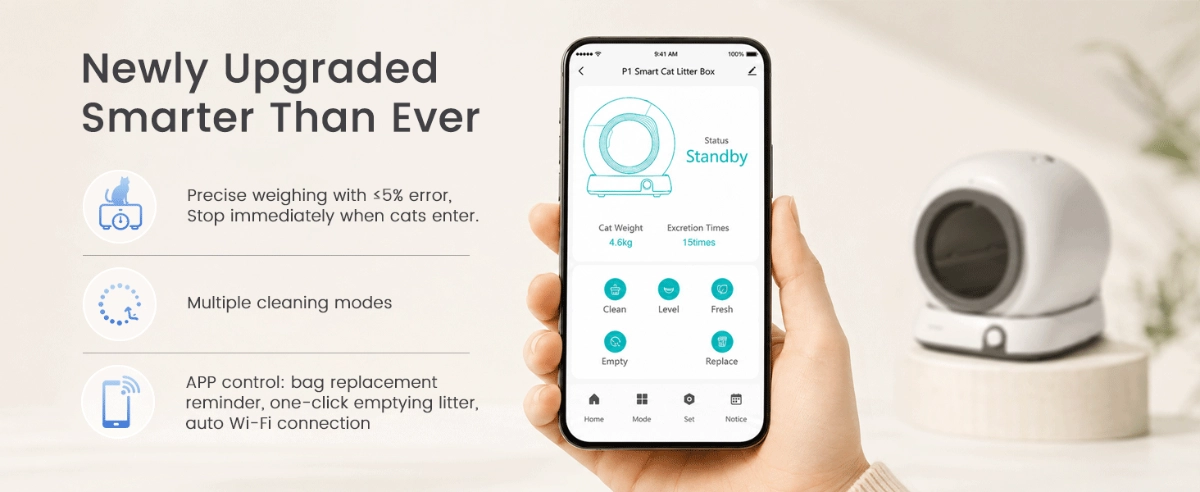
If a pet begins visiting the unit abnormally often—a classic symptom of urinary tract issues or constipation—the system immediately sends a push notification to the owner’s phone. This proactive health monitoring allows owners to seek veterinary care days or weeks before physical symptoms become visibly apparent. For many owners, this diagnostic feature alone justifies the initial financial investment, as early medical intervention is vastly cheaper and yields much better clinical outcomes.
Engineering for Safety
Early iterations of automated pet devices were met with skepticism, primarily regarding safety. Pet owners are fiercely protective, and the idea of a machine operating autonomously around their animals caused hesitation. Modern manufacturers have overcome this hurdle through redundant safety engineering, making current systems exponentially safer than their predecessors.
Today’s leading systems employ a “defense-in-depth” approach to safety. If a pet approaches the device during a cleaning cycle, thermal sensors and microwave radar detect their presence from several feet away, immediately pausing all moving parts. If the pet jumps inside, gravity sensors provide a secondary layer of protection, completely cutting power to the motor until the animal has safely vacated the area. Additionally, anti-pinch designs ensure that there are no mechanical shear points where a paw or tail could become trapped. This commitment to safety engineering has allowed pet owners to trust these devices, facilitating widespread adoption.
Odor Eradication
Another compelling reason consumers are upgrading to intelligent solutions is the complete eradication of pet-related odors in the home. Traditional methods rely on scented granules or baking soda to temporarily mask smells. In contrast, automated systems physically remove the source of the odor within minutes of elimination.
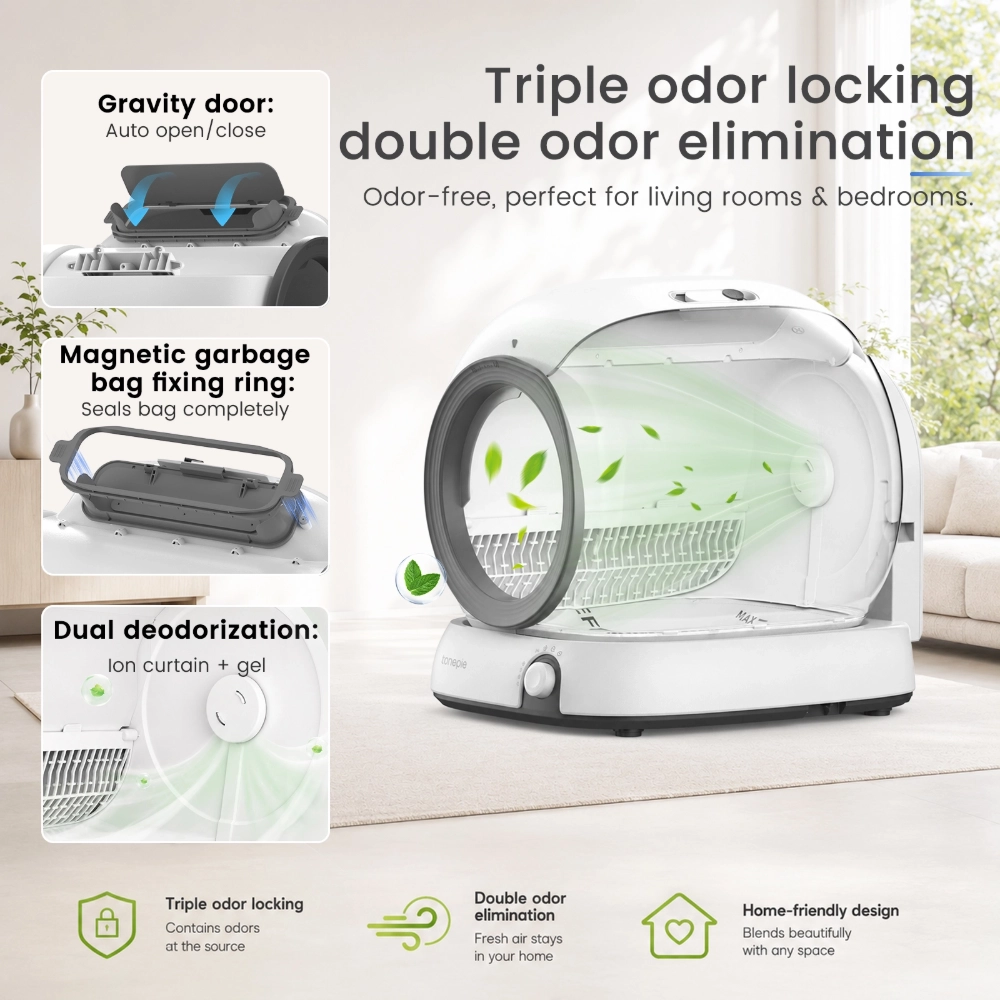
The waste is deposited into a lower compartment that is often hermetically sealed or features active carbon filtration. Furthermore, premium models incorporate active deodorization technologies, such as ozone generators, negative ion purifiers, or targeted UV-C light sterilization, which break down odor-causing bacteria at a molecular level. This means owners can place these units in living rooms, home offices, or bedrooms without fear of compromising their home’s olfactory environment.
Coupled with advanced odor control is a revolution in industrial design. Manufacturers recognize that pet owners do not want an industrial-looking machine in their living space. Modern units feature minimalist, futuristic designs, often resembling high-end speakers or sleek furniture. They are designed to blend seamlessly with contemporary interior decor, eliminating the need to banish pet supplies to dark corners of the house.
Environmental Impact
While intelligent cleaning devices require a higher upfront investment compared to a traditional plastic pan, consumers are increasingly viewing them through the lens of long-term economic and environmental efficiency.
Manual scooping is inherently inefficient. Regardless of the user’s care, clean granules are inevitably thrown away with the soiled clumps. Furthermore, because traditional pans become globally contaminated over a week or two, owners must frequently dump the entire contents, wash the pan, and refill it entirely.
Automated sifting mechanisms are incredibly precise, removing only the coagulated waste and leaving all clean material behind. Users report reducing their monthly litter consumption by up to 50%. Over the lifespan of the device, this significant reduction in consumable costs often pays for the machine itself. Environmentally, this means less clay being strip-mined, less energy spent on manufacturing and shipping heavy bags, and significantly less solid waste entering local landfills. The eco-conscious modern consumer heavily weighs these sustainability factors when making purchasing decisions.
Psychological Benefits for the Pet
It is crucial to recognize that the benefits of these systems are not strictly human-centric. The psychological well-being of the pet is vastly improved by an automated cleaning solution.
In the wild, felines bury their waste to hide their scent from predators. They are instinctively driven to seek out clean, loose substrate for elimination. When a domestic cat is forced to use a heavily soiled environment, it induces low-level, chronic psychological stress. This stress can manifest in aggression, over-grooming, or a refusal to eat. By ensuring that the environment is immaculately reset after every single use, automated systems cater to the pet’s deepest instincts. The resulting reduction in feline anxiety leads to a happier, more affectionate companion, deeply enriching the human-animal bond.
Conclusion
The transition from manual pet care chores to automated management is not a fleeting trend; it represents a permanent evolution in how we coexist with our animal companions. Modern pet owners demand solutions that respect their time, protect their home’s aesthetic and hygiene, and actively contribute to the longevity and health of their pets.
By leveraging advanced robotics, IoT connectivity, and precision engineering, the pet tech industry has provided a definitive answer to the oldest problem in pet ownership. Ultimately, integrating a Smart Cat Litter Box into your home isn’t just about avoiding an unpleasant daily chore; it is a proactive investment in your pet’s health, your home’s hygiene, and your own peace of mind, allowing you to focus on the joy of companionship rather than the burden of maintenance.
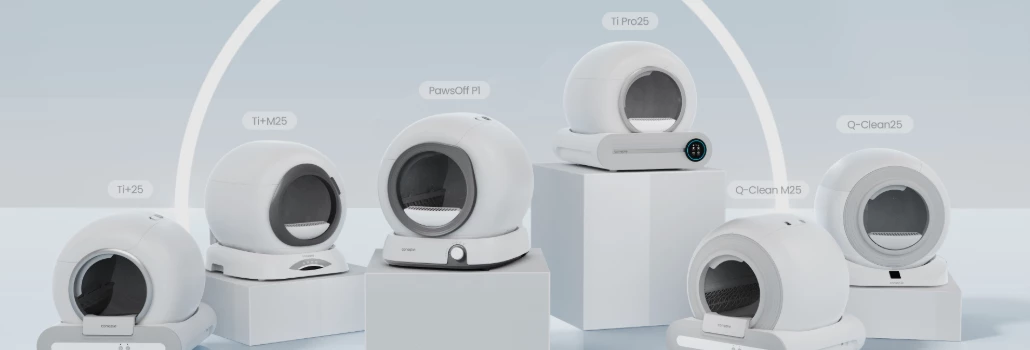
Explore Tonepie Self-cleaning Litter Boxes
FAQs
Are automated self-cleaning systems safe for small kittens?
While modern automated systems feature advanced safety sensors to protect adult pets, most manufacturers recommend waiting until a kitten weighs at least 2.5 to 3 pounds (usually around 3 to 4 months of age) before activating the automatic cleaning mode. Kittens lighter than this may not trigger the gravity sensors reliably. For very young kittens, the device can be used in its powered-off state and cycled manually by the owner until the pet reaches the minimum weight requirement.
Do I need to purchase a specific, expensive brand of litter for these devices to work?
In most cases, no. The majority of automated sifting systems on the market are designed to be highly compatible with any standard, hard-clumping clay litter. Some models also support clumping tofu or mixed litters, provided the granules are small enough to pass through the internal sifting screen. It is generally advised to avoid non-clumping, crystal, or wood pellet litters unless the specific machine explicitly states compatibility.
How often do I actually need to empty the waste receptacle?
The frequency depends on two factors: the capacity of the specific machine’s waste drawer and the number of pets using it. For a single average-sized pet, most modern automated devices have a waste receptacle large enough to hold approximately 7 to 14 days’ worth of waste. If you have two pets sharing a single unit, you can expect to empty the sealed drawer every 3 to 5 days. The companion smartphone app will typically notify you exactly when the drawer is nearing full capacity.