



What Is a 2-in-1 Pet Feeder & Water Dispenser and How Does It Work
Release time: 2026-09-10
If you share your home with a furry friend, you know that keeping them fed and hydrated is a top priority. But what happens when life gets busy, or you’re away for the day? Enter the 2-in-1 pet feeder and water dispenser—a simple yet ingenious solution designed to make pet care easier and more efficient.
Table of Contents
The Basics: What Is a 2-in-1 Pet Feeder & Water Dispenser?
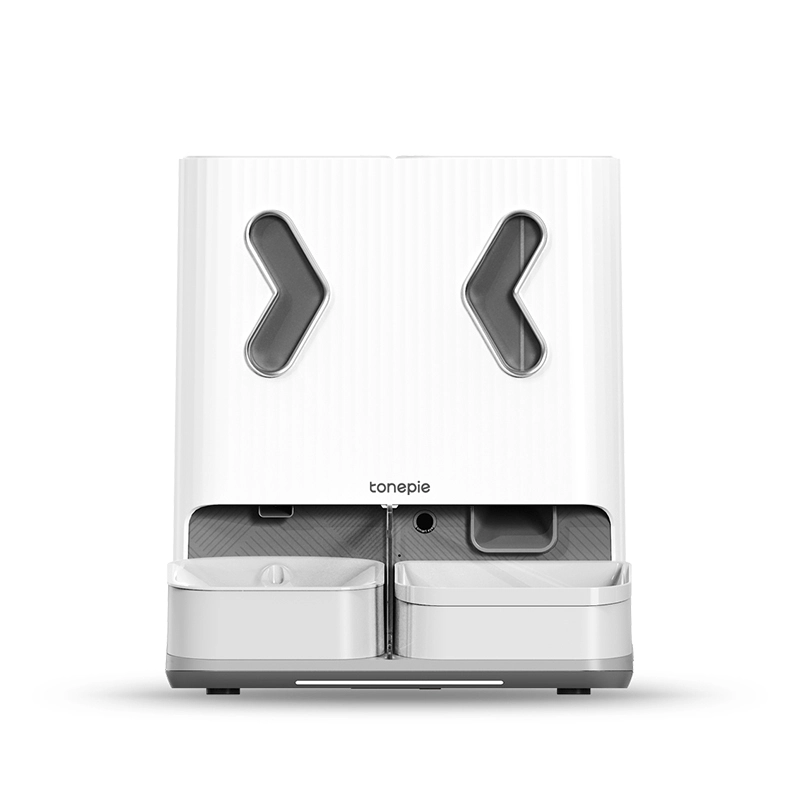
A 2-in-1 pet feeder and water dispenser is exactly what it sounds like: a single station that provides both food and water for your pet. Instead of having separate bowls scattered across the kitchen floor, this compact unit combines a food storage hopper and a water reservoir into one cohesive design.
These stations are primarily designed for dry kibble and fresh water. The food side typically features a tall bin (the hopper) that holds the kibble, which then flows down into a bowl as your pet eats. The water side operates similarly, using a bottle or reservoir to maintain a constant level of water in a drinking dish.
Why Are They So Popular?
The appeal of a combined feeder and dispenser lies in its convenience. It reduces the frequency of refills, saves space, and ensures your pet has access to essentials even when you aren’t right there to provide them. This is especially beneficial for busy professionals, frequent travelers, or anyone who occasionally works late.
How Does a Gravity-Fed Dispenser Work?
The majority of standard 2-in-1 pet feeders on the market rely on a simple principle of physics: gravity. These are often referred to as gravity feeders and waterers. They require no electricity, no batteries, and no complex programming.
The Mechanics of the Food Feeder
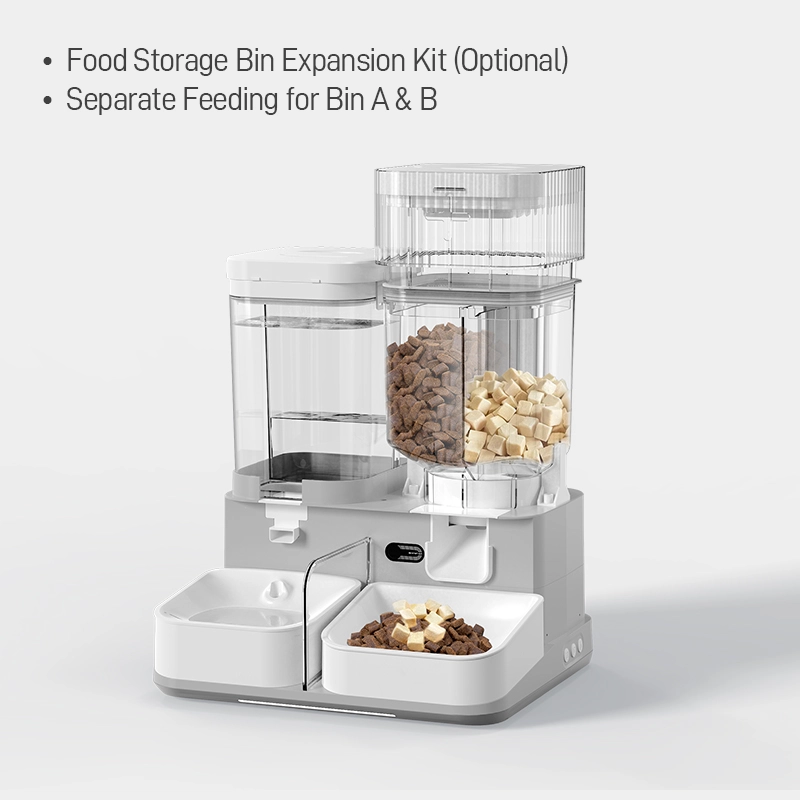
The food portion of a gravity feeder is straightforward. You fill the large hopper at the top with dry kibble. The bottom of the hopper connects to a feeding bowl.
- The Initial Fill: When you first pour the food in, gravity pulls it down into the bowl until the bowl is full.
- The Auto-Refill: As your pet eats, they create empty space in the bowl. Gravity then pulls more kibble down from the hopper to fill that space.
- The Stoppage: The design of the hopper opening prevents all the food from pouring out at once; it only releases enough to refill the bowl to a certain level.
The Mechanics of the Water Dispenser
The water side works on a similar gravity-based principle but involves a bit of vacuum science to prevent overflowing.
- The Reservoir: You fill a bottle or reservoir with fresh water.
- The Seal: The reservoir is typically inverted and locked into the base. As water flows into the drinking bowl, a vacuum is created inside the sealed reservoir.
- The Equilibrium: Water continues to flow into the bowl until the water level rises high enough to cover the opening of the reservoir. Once the opening is submerged, air can no longer enter the reservoir to displace the water, and the flow stops.
- The Continuous Supply: When your pet drinks, the water level in the bowl drops, exposing the opening of the reservoir. Air enters, breaking the vacuum slightly, and more water flows out until the opening is submerged again.
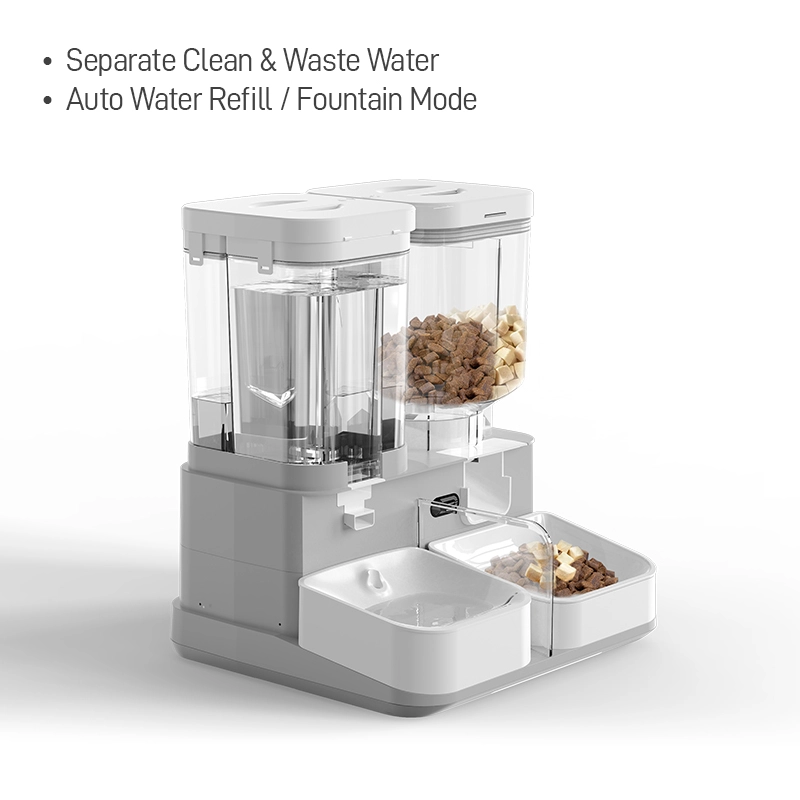
This simple, elegant system ensures a constant supply of fresh water and food without any moving parts or reliance on technology.
Exploring Electronic and Automatic 2-in-1 Feeders
While gravity feeders are the most common and affordable type of 2-in-1 station, technological advancements have introduced electronic and automatic versions. These are designed for pet owners who need more control over their pet’s diet.
Why Choose an Electronic Feeder?
Gravity feeders are excellent for pets that self-regulate their eating (often referred to as “free-feeding”). However, many pets, particularly dogs and some cats, will overeat if given unlimited access to food, leading to obesity and related health issues.
Electronic feeders solve this problem by allowing you to control portion sizes and feeding times.
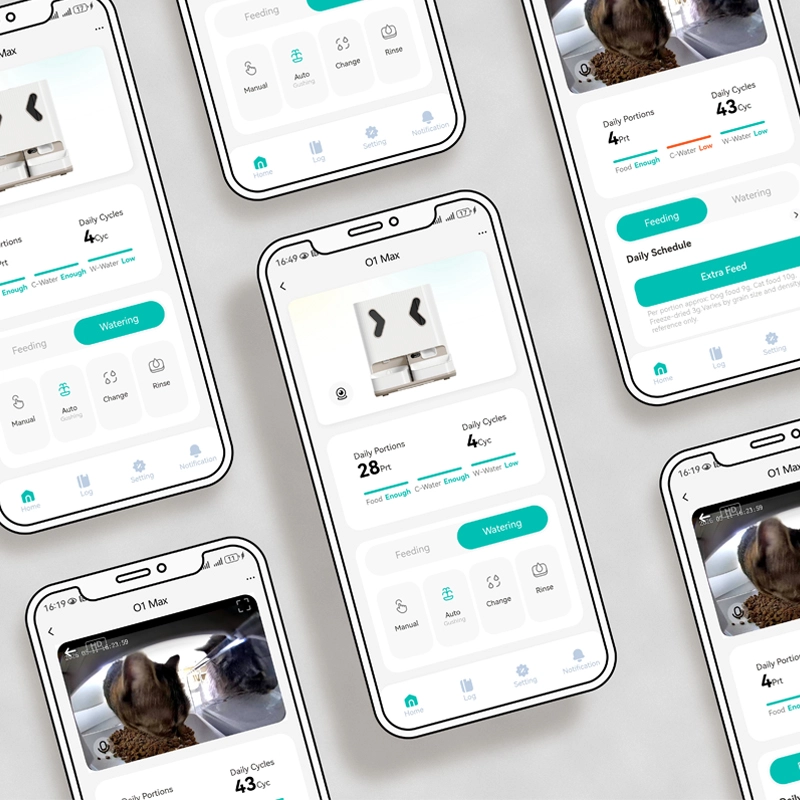
How Automatic Food Dispensers Work
Automatic food dispensers typically use a motorized mechanism to dispense food.
- Programming: You use a digital interface (or a smartphone app, in the case of smart feeders) to set the feeding schedule and the portion size for each meal.
- The Mechanism: Inside the hopper, an impeller or a conveyor belt system rotates at the programmed times, pushing a specific amount of kibble down the chute and into the bowl.
- Power: These units require electricity, usually via a wall adapter, and often have a battery backup system to ensure your pet is fed even during a power outage.
The Water Component in Electronic Stations
In a 2-in-1 electronic station, the food side is mechanized, but the water side often remains gravity-fed. This is because water portion control is rarely necessary (pets should generally have unlimited access to water). However, some high-end models might feature circulating water fountains built into the station to encourage drinking and keep the water aerated and filtered.
Key Benefits of Using a 2-in-1 Dispenser
Investing in a dual feeder and waterer offers several advantages for both the pet and the owner.
| Benefit | Description |
| Convenience | Reduces the daily chore of measuring food and filling water bowls multiple times a day. |
| Space-Saving | Consolidates two separate bowls into one neat station, ideal for smaller apartments or kitchens. |
| Consistency | Ensures food and water are always available (or available on schedule with automatic models), even if your routine changes unexpectedly. |
| Hydration | Having a continuous supply of fresh water encourages pets to drink more, which is crucial for kidney and urinary tract health. |
| Peace of Mind | Allows you to work long hours or take short day trips without worrying if your pet is hungry or thirsty. |
Potential Drawbacks and Considerations
While 2-in-1 dispensers are incredibly useful, they aren’t perfect for every situation. It’s important to be aware of the potential downsides.
The Problem with Free-Feeding
The biggest drawback of gravity food dispensers is that they promote free-feeding. If your pet has a tendency to gorge themselves, a gravity feeder is not the right choice, as it will lead to rapid weight gain. In these cases, an automatic portion-control feeder is necessary.
Cleaning Challenges
2-in-1 stations can be bulkier and more complex to clean than simple stainless steel bowls.
- The Hopper: The large food hopper needs to be washed regularly to prevent oils from the kibble from going rancid.
- The Water Reservoir: The water bottle and base can harbor bacteria or mold if not cleaned thoroughly. Some models have narrow openings that are difficult to scrub.
- Hard Water Stains: Depending on your water quality, mineral deposits can build up on the water side.
Not Suitable for Wet Food
These dispensers are strictly for dry kibble. You cannot put wet or canned food in a gravity or standard automatic feeder, as it will spoil quickly and jam the mechanisms.
How to Choose the Right 2-in-1 Feeder for Your Pet
Selecting the best dispenser involves considering your pet’s size, eating habits, and your lifestyle.
1. Assess Your Pet’s Eating Habits
- Self-Regulators: If your cat or dog grazes throughout the day and maintains a healthy weight, a simple gravity feeder is a perfect, low-cost solution.
- Over-Eaters: If your pet eats whatever is in front of them until it’s gone, you absolutely need an automatic, programmable feeder to control their portions.
2. Consider Size and Capacity
The capacity of the hopper and the water reservoir should align with your pet’s size and how often you want to refill it.
- Small Pets: A small station holding 1-3 pounds of food and a liter of water is sufficient for cats or small dog breeds, ensuring the food doesn’t go stale before it’s eaten.
- Large Pets: Large dogs require stations with significantly larger capacities (10+ pounds of food and a gallon or more of water).
3. Material Matters
The material of the feeder affects its durability and hygiene.
- Plastic: The most common and affordable option. Ensure it is BPA-free. However, plastic can develop micro-scratches that harbor bacteria, which can cause feline acne in cats.
- Stainless Steel/Ceramic: Some high-end models offer stainless steel or ceramic bowls within the plastic base. These materials are non-porous, more hygienic, and easier to keep clean.
4. Ease of Cleaning
Look for a model where the hopper and water reservoir detach easily from the base. Check if the components (especially the bowls) are dishwasher safe. A wide-mouth water bottle is vastly easier to clean than one with a narrow neck.
5. Smart Features (Optional)
If you opt for an automatic feeder, decide if you want “smart” features. Some connect to your Wi-Fi, allowing you to control feeding schedules via an app, receive notifications when the food is running low, or even watch your pet eat through a built-in camera.
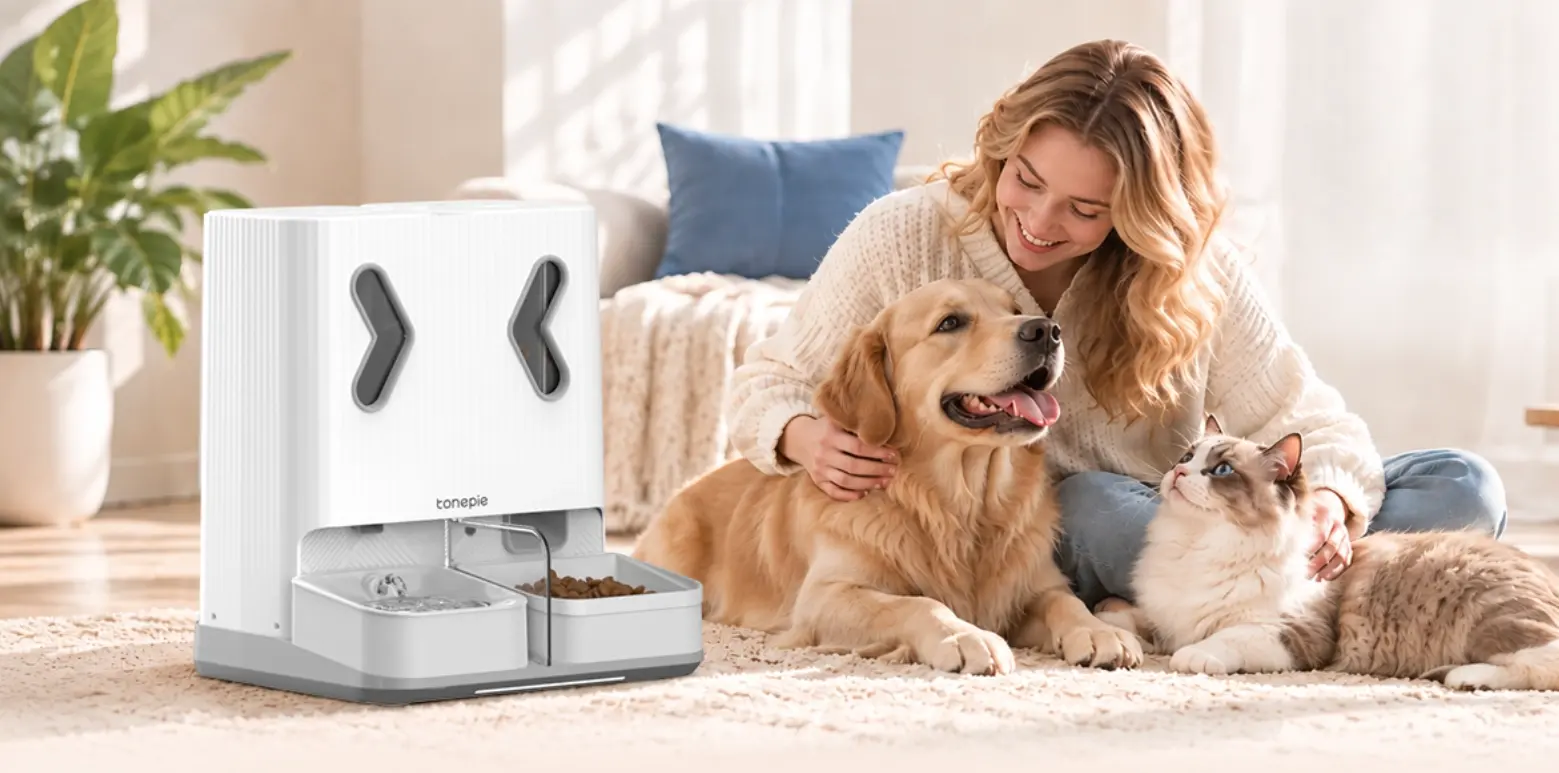
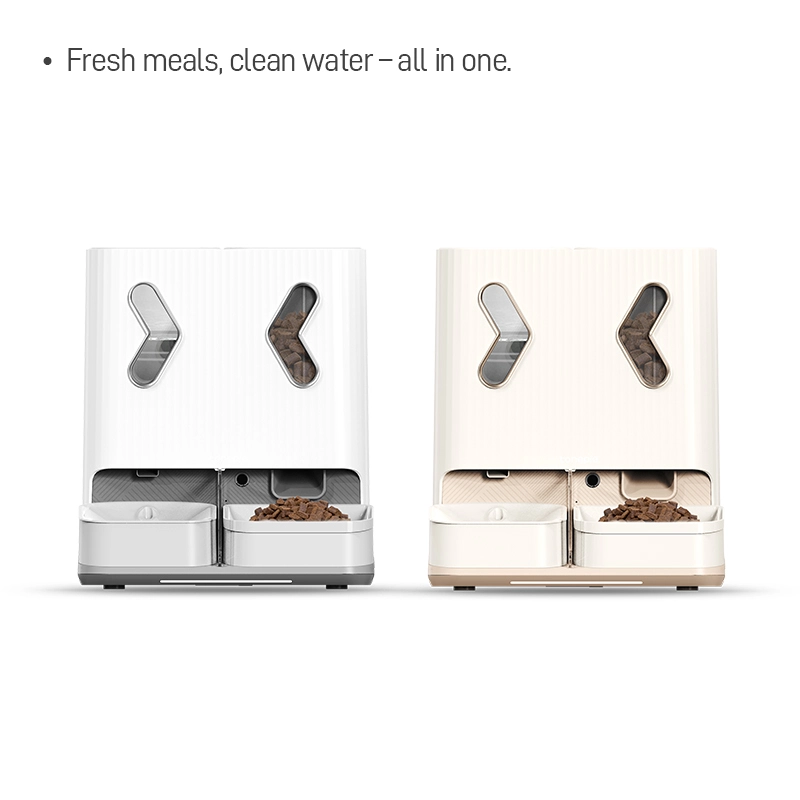
Tonepie Smart 2-in-1 Pet Feeder Solution: OmniBowl O1 / O1 Max
This ultimate 2-in-1 system combines a vacuum-sealed feeder with a non-recycled water fountain. Featuring a massive 10L capacity and a 24/7 HD camera, it provides a compact, travel-ready solution for your pet’s needs.
Key Features:
- Space-Saving 2-in-1 Design: Combines feeding and watering into one aesthetic, low-maintenance unit.
- Ultimate Freshness: An airtight, dehumidified food bin keeps kibble crunchy, while the clean-waste separated fountain provides fresh water without the need for filters.
- Extra Large Capacity: Holds up to 10L of food (6L base + 4L expansion) and 4L of water, perfect for multi-pet homes and long trips.
- Smart App Control: Monitor and bond with your pet remotely via an HD night-vision camera, automated activity logs, and 2-way audio.
Click to learn more about the O1/O1 Max Smart 2-in-1 Pet Feeder & Water Dispenser.
Maintenance and Hygiene: Keeping the Dispenser Clean
To ensure your pet’s health, regular maintenance of the 2-in-1 station is non-negotiable.
Daily Maintenance
- Water Bowl Check: Check the water bowl daily for debris, hair, or slime (biofilm). If it looks dirty, dump it, wipe it out, and let it refill.
- Food Bowl Check: Ensure the food bowl isn’t blocked and wipe away any crumbs or dust.
Weekly Deep Cleaning
A thorough cleaning should be done at least once a week, or more frequently if you have a messy eater.
- Disassemble: Empty the remaining food and water. Take the unit completely apart.
- Wash: Wash all parts—the base, the food hopper, and the water reservoir—with warm, soapy water. Use a bottle brush for the water reservoir if necessary.
- Sanitize: For an extra clean, you can use a diluted vinegar solution to remove hard water stains and neutralize odors.
- Dry Completely: This is the most crucial step. Every part must be 100% dry before reassembling and refilling. Moisture in the food hopper will cause the kibble to mold and jam the dispensing mechanism.
Conclusion
A 2-in-1 pet feeder and water dispenser can be a fantastic addition to your pet care routine, offering convenience and peace of mind. Whether you opt for a simple gravity-fed system for your grazing cat or a high-tech automatic dispenser to manage your dog’s diet, understanding how these devices work is the first step in making an informed purchase.
By considering your pet’s specific needs, prioritizing ease of cleaning, and maintaining the unit properly, you can ensure that your furry friend is always well-fed, hydrated, and happy, even when you aren’t home to fill the bowl yourself.
Troubleshooting Common Issues
Even the simplest gravity feeders can sometimes run into hiccups. Here’s how to handle common problems.
Problem: Food Gets Stuck in the Hopper
Solution: This usually happens if the kibble size is too large for the dispensing chute or if the food is oddly shaped. Try a smaller kibble size. Also, check for any moisture in the hopper that might have caused the kibble to clump together.
Problem: The Water Dispenser is Leaking or Overflowing
Solution: This is almost always an issue with the vacuum seal. Ensure the cap on the water reservoir is screwed on tightly and correctly. Check the silicone ring or gasket inside the cap for any damage or debris that might be preventing a proper seal. If air is getting into the bottle from anywhere other than the bottom opening, the water will overflow the bowl.
Problem: My Pet is Scared of the Automatic Dispenser
Solution: The sudden noise of kibble dropping into a plastic bowl can startle timid pets. Introduce the feeder gradually. Place it next to their old bowl without turning it on. Once they are comfortable eating near it, try dispensing a small amount while you are there to reassure them.