



How to Eliminate Cat Litter Odor: Smart, Effective Solutions
Release time: 2026-08-13
Table of Contents
If you are a cat owner, you already know the joy that feline companionship brings. However, you also likely know the distinct and often overwhelming challenge of managing the litter box. A common scenario unfolds in many households: you walk through the front door, expecting the comforting presence of your home, only to be greeted by the harsh, unmistakable scent of ammonia. Learning how to stop cat litter smell is not just about home aesthetics; it is about creating a hygienic, comfortable environment for both you and your cat.
A litter box problem rarely begins with the litter box itself. It usually starts when the smell spreads, the surrounding floor feels dusty, or daily cleaning starts taking considerably more time than it should. When looking for ways on how to stop cat litter smell, you are essentially fighting the natural breakdown of bacterial waste. Most pet parents attempt to mask this issue with heavy chemical perfumes or sprays, but that is merely a temporary fix for a broken system. Real comfort and lasting freshness happen when you implement smart, foundational solutions that actually work.
Why Does Cat Litter Smell?
Before you can establish an effective defense system, you must understand the science behind the odor. Cat waste, particularly urine, is naturally potent. Feline urine contains high concentrations of urea. When this urea is left exposed to oxygen and moisture in the litter box, bacteria begin to break it down, rapidly transforming it into ammonia gas.
This chemical reaction is significantly accelerated in closed apartments or homes where fresh air circulation is limited. The longer the waste sits, the more bacteria multiply, and the stronger the ammonia scent becomes. Feces, on the other hand, produce odors related to sulfur and digestive bacteria. If a cat’s diet is poor, these smells can be even more pronounced.
Therefore, the key to learning how to stop kitty litter from smelling lies in disrupting this bacterial process: you must manage the moisture, remove the fuel (the waste), and neutralize the gasses before they can spread throughout your home.
Choose the Right Cat Litter
Your choice of base material is the single most critical factor in your home hygiene framework. Not all litters are created equal, and using generic, non-clumping clay often allows urine to pool at the bottom of the tray. This creates a permanent, hidden breeding ground for foul odors.
Investing in a high-quality clumping litter is arguably the fastest way to stabilize your environment. When exploring how to stop cat litter box smell, prioritize materials that seal away moisture instantly.
The Power of Bentonite Clay
Natural bentonite clay is highly recommended by experts and experienced cat owners alike. It excels at trapping both moisture and smell because it forms solid, easily removable structures upon contact with liquids. By creating hard clumps, it locks away urine before it can reach the bottom of the box and start the rapid ammonia breakdown.
This approach is ideal for cat owners who want to minimize daily maintenance time and eliminate liquid pooling. Many premium bentonite litters are also treated with natural deodorizing agents for an extra layer of protection.
Organic and Alternative Litters
If you prefer eco-friendly options, organic litters made from pine, wheat, or walnut shells can be very effective. Pine, for instance, naturally neutralizes ammonia odors and provides a fresh scent. Crystal litters (silica gel) are another option; they are highly absorbent and trap odor molecules within their pores, requiring less frequent scooping for urine, though solid waste must still be removed daily.
Scented vs. Unscented
While choosing a scented variety might seem like an obvious cat litter smell solution, proceed with caution. An extra layer of active freshness that releases a clean aroma during use sounds great to humans, but cats have incredibly sensitive noses. Highly artificial granular varieties or heavily perfumed litters can offend your cat’s respiratory sensitivities, leading to litter box avoidance.
If you opt for a scent, choose mild, natural aromas like a gentle baby powder scent or a subtle lavender. For households that prefer a crisp, familiar scent, these gentle barriers mask sour odors without overwhelming your living spaces. However, many veterinarians recommend unscented clumping litter paired with natural odor neutralizers to keep both you and your feline friend happy.
Scoop or Twice Daily
The secret to a fresh home is not a massive weekly cleaning session, but rather the execution of a simple daily habit. Allowing waste to sit inside the tray for multiple days gives bacteria the precise time they need to compromise the surrounding clay and release gasses.
When you commit to scooping the box at least once every single day, you are actively removing the source of the problem before it can develop. This disciplined habit is essential for busy professionals who cannot afford to let odors build up while they are away at work. For the best results, aim to scoop twice daily—once in the morning and once in the evening.
The Right Way to Scoop
Scooping isn’t just about removing the obvious clumps.
- Scrape the Sides: Scoop the edges of the box so that you scrape the sides where urine might be stuck.
- Sift Gently: After each scoop, lift it up and gently shake the scoop so clean litter falls through, saving you money and preserving the litter depth.
- Immediate Disposal: Place the waste in a sealed bag or a specialized litter containment unit (like a Litter Genie) to prevent odors from escaping into the trash can.
Avoid skipping days even when the box appears relatively clean, because hidden pockets of moisture can still release gas underneath the surface. The detail that makes this habit easier is keeping a high-quality metal scoop and a small disposal bin directly next to the station.
Optimize Your Setup and Box Hygiene
Even with the best litter and daily scooping, the physical litter box itself requires strategic management.
The “Cats Plus One” Rule
If you have multiple cats, you cannot rely on a single box. The golden rule for multi-cat households is to provide one box per cat, plus one extra. Overcrowded litter boxes fill up quickly, causing odors to accumulate rapidly and increasing the likelihood of cats finding alternative (and unacceptable) places to go.
Maintain Proper Litter Depth
Cats need enough litter to bury their waste effectively, which is their natural instinct for hiding odors. For clumping litter, maintain a depth of about 3 to 4 inches. Too little litter prevents proper clumping and allows urine to stick to the plastic bottom, creating a stubborn, stinky mess.
Deep Clean Regularly
Even if you are scooping and changing the litter regularly, the plastic box itself absorbs odors over time. You must perform a deep clean at least once a month (or every two weeks for some litters).
- Empty all the old litter.
- Scrub the box with mild soap, warm water, and perhaps a splash of white vinegar.
- Avoid using aggressive industrial detergents or strong disinfectants (like bleach or ammonia-based cleaners), because left-behind chemical scents can easily offend your cat and cause avoidance.
- Dry the box completely before adding fresh litter.
Consider a Litter Box Liner
Plastic litter boxes can get scratched by eager diggers, and those tiny scratches harbor odor-causing bacteria. Litter box liners act as a protective shield, reducing odor buildup in the plastic and making the monthly deep clean significantly easier.
Natural and Safe Cat Litter Smell Hacks
Sometimes, you need an extra boost to maintain a neutral-smelling home. Instead of reaching for chemical sprays, try these effective DIY cat litter smell hacks.
The Magic of Baking Soda
Baking soda is a natural, affordable, and incredibly effective way to neutralize odors. Because baking soda is alkaline, it naturally neutralizes the acidic ammonia compounds found in cat urine.
After scooping, sprinkle a thin layer of baking soda over the bottom of the box before refilling it with fresh litter, or sprinkle a small amount lightly over the top. It is safe for cats and won’t interfere with most clumping litters.
Activated Charcoal
Activated charcoal is a powerhouse for odor control. Unlike baking soda, which neutralizes, charcoal works via adsorption. Odor molecules (like ammonia and sulfur) are magnetically drawn into the charcoal’s millions of microscopic pores and trapped there permanently.
You can mix a small amount of activated carbon granules directly into the litter, or use charcoal pouches hung near the litter box to absorb ambient odors.
Vinegar Solutions
White vinegar is another excellent natural deodorizer. While you shouldn’t spray it directly on the litter (cats hate the smell of strong vinegar), you can use a diluted vinegar and water solution to wipe down the surrounding walls and floors during your weekly cleaning routine to eliminate lingering smells.
Airflow and Filtration
Where you place the litter box and how you manage the air around it plays a massive role in whether odors overtake your home.
Strategic Placement
Never place the litter box in a dark, unventilated closet. Proper airflow helps dilute odor concentrations before they can settle or spread. Place boxes in open, well-ventilated, low-traffic areas. Avoid spots near their food and water bowls, and keep them away from high-humidity areas like bathrooms with showers, as humidity makes ammonia smell significantly worse.
Run an Air Purifier
To truly combat airborne odors, an air purifier is a game-changer. An air purifier with a HEPA filter will capture dust and dander, but you specifically need one with an activated carbon filter to trap the gasses that cause litter odor. Place the air purifier near the litter box (but not blowing directly onto it) to capture odor molecules before they migrate to the rest of the house.
Optimize Your Cat’s Diet
If the smell of feces is eye-wateringly bad despite a clean box, look at your cat’s diet. Low-quality foods with high grain fillers often lead to smellier waste because cats are obligate carnivores and cannot digest grains properly. Switching to a high-quality, high-protein wet food can improve digestion, increase hydration (which dilutes urine concentration), and significantly reduce the odor of their output.
Cat Litter Smell Solutions: Odor-Fighting Toolkit
To make it easy to build your new routine, here is a quick reference guide to the most effective solutions.
| Odor Problem Area | The Solution | Why It Works |
| Urine pooling at the bottom | Use high-quality clumping litter (e.g., Bentonite) | Forms solid structures instantly, preventing moisture from reaching the plastic base and breeding bacteria. |
| Rapid ammonia buildup | Scoop daily (or twice daily) | Removes the fuel source before urea can break down into noxious ammonia gas. |
| Plastic box absorbing smells | Deep clean monthly & use liners | Prevents bacteria from hiding in microscopic scratches in the plastic tray. |
| Lingering acidic smells | Sprinkle Baking Soda | Naturally neutralizes the pH of acidic ammonia compounds safely. |
| Airborne odors spreading | Use an Air Purifier with a Carbon Filter | Actively traps and removes odor gasses (not just dust) from the air circulation. |
| Overwhelming feces odor | Upgrade diet to high-quality protein | Improves feline digestion, resulting in less pungent solid waste. |
Smart Self-cleaning Cat Litter Box
If you have tried all the traditional methods and still struggle to maintain a fresh home, or if your busy lifestyle simply doesn’t allow for rigorous daily scooping, it might be time to leverage technology.
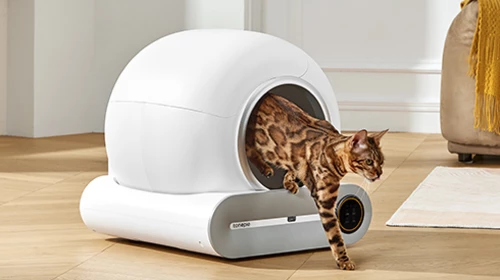
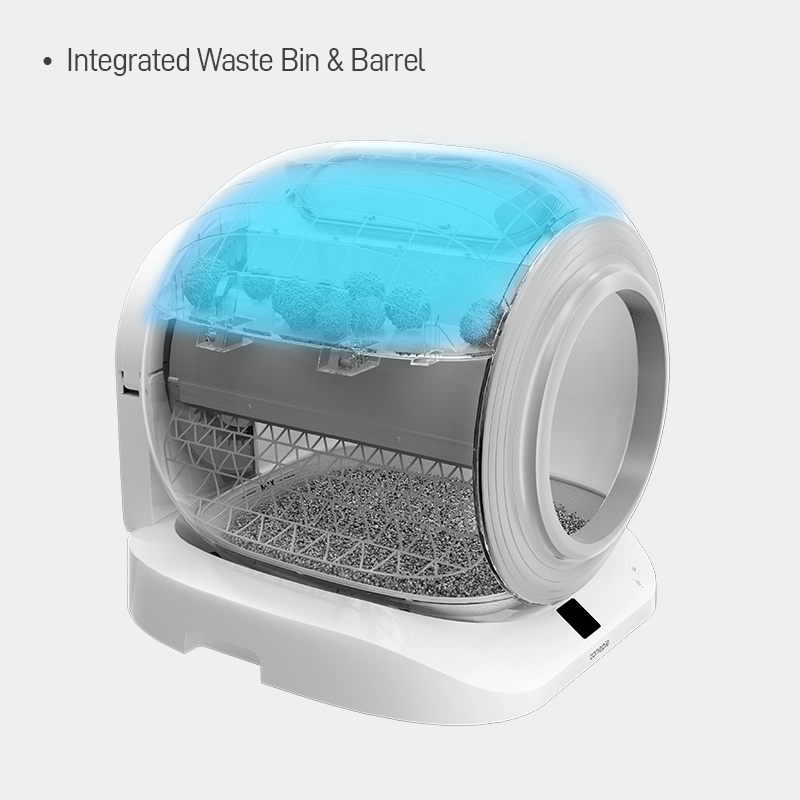
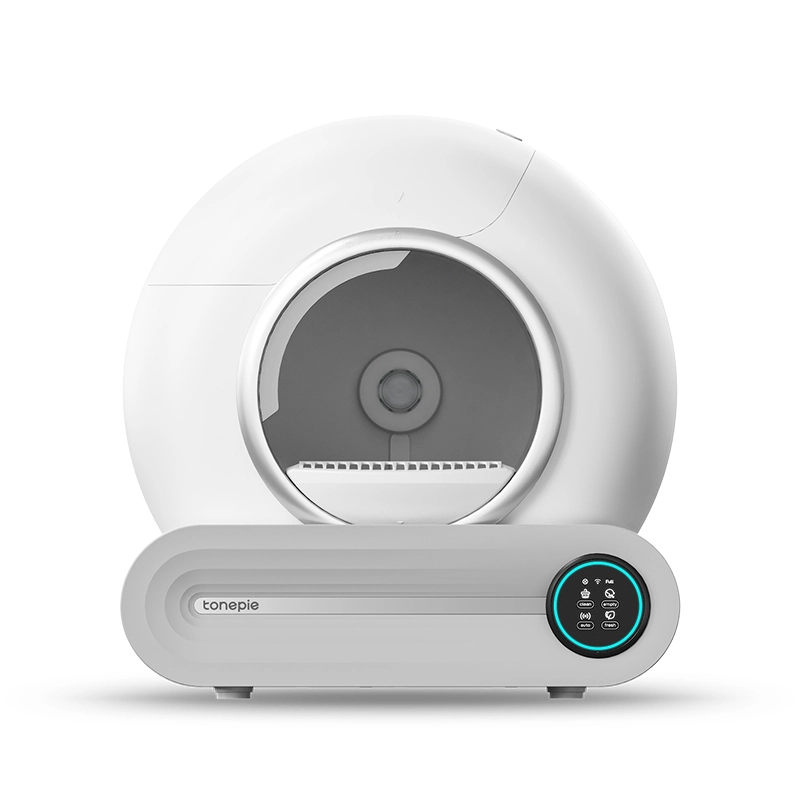
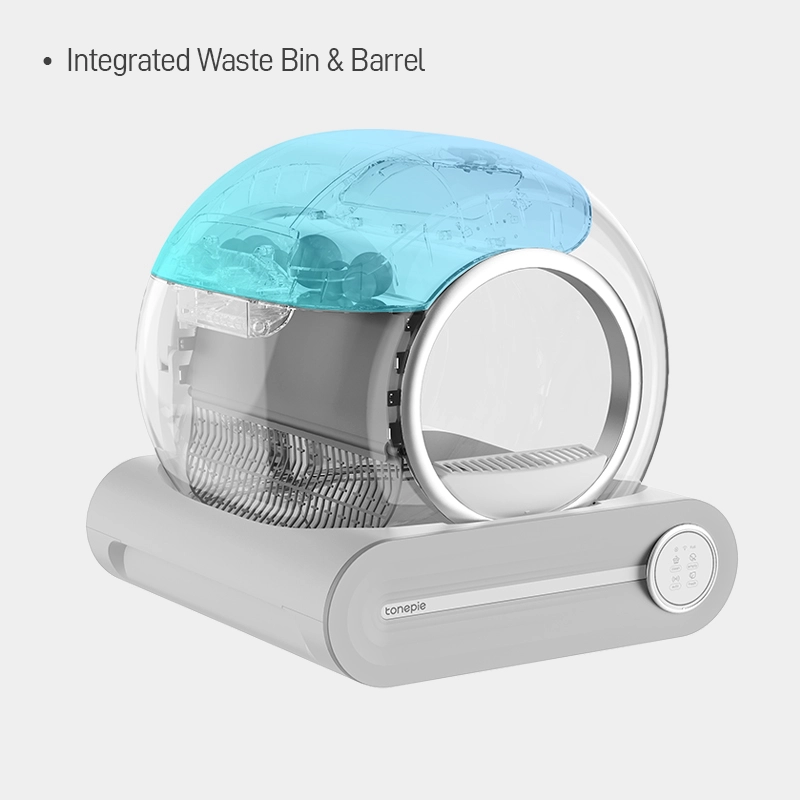
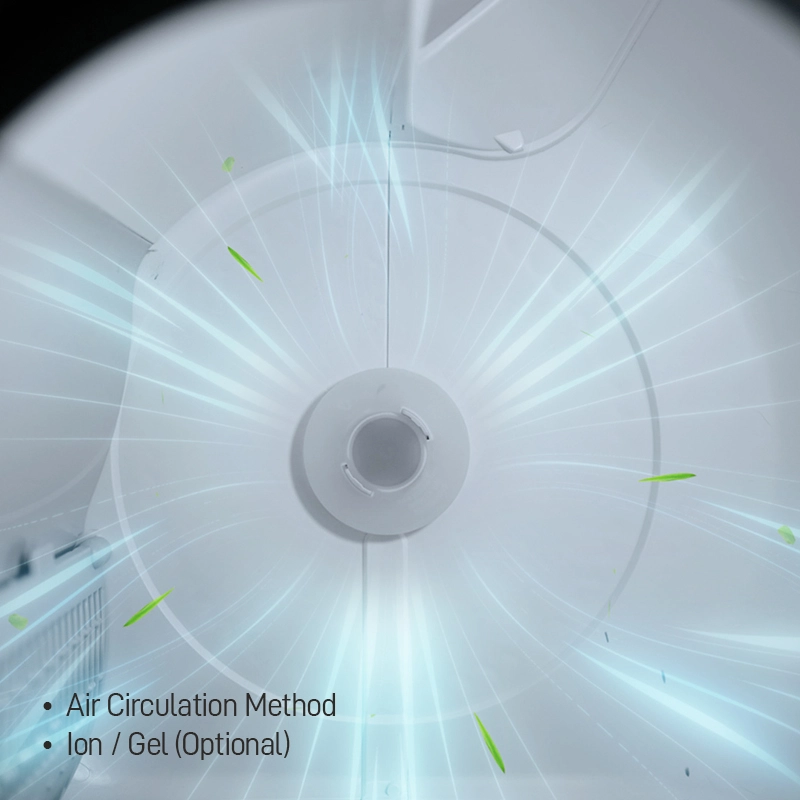
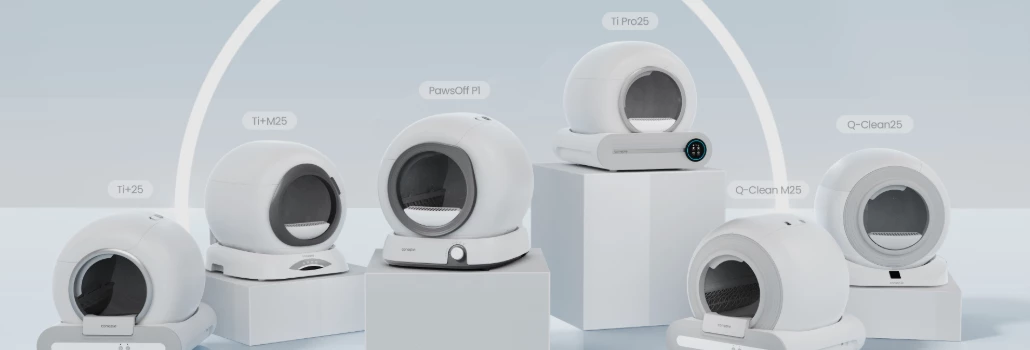
Self-cleaning litter boxes are the ultimate solution for those wondering how to stop cat litter smell permanently with minimal effort. These automated systems sense when your cat has used the box and automatically scoop the waste into a sealed, carbon-filtered receptacle mere minutes after use. By drastically reducing the time waste spends exposed to the air, they effectively eliminate the primary cause of odor buildup. While they are an investment, the convenience and consistent odor control they provide can be life-changing for multi-cat households or busy professionals.
Conclusion
Knowing how to get rid of cat litter smell fast doesn’t require harsh chemicals or holding your breath every time you walk past the laundry room. A litter box problem rarely begins with the litter box itself; it begins with the routine. By choosing the right clumping litter, committing to daily scooping, utilizing natural odor absorbers like baking soda and charcoal, and managing the airflow in your home, you can completely neutralize the issue. Implement these smart solutions today, and reclaim the fresh, welcoming home both you and your cat deserve.
Explore Tonepie Self-cleaning Litter Boxes
FAQ
Does baking soda really help with cat litter smell?
Yes, baking soda is highly effective. It is alkaline, which means it naturally neutralizes the acidic compounds (like ammonia) found in cat urine. Sprinkling a thin layer at the bottom of the box or mixing a little into the litter is a safe, natural, and cheap way to absorb odors without irritating your cat’s nose.
Why does my cat’s litter box still smell even after I scoop it?
If you scoop daily but still notice an odor, the smell has likely permeated the plastic of the box itself, or the litter isn’t deep enough, allowing urine to stick to the bottom. You need to perform a full deep clean—empty the litter, wash the box with warm soapy water (avoid harsh chemicals), dry it completely, and refill it with 3-4 inches of fresh clumping litter. Additionally, ambient odors might be lingering in the air, which is where an air purifier with a carbon filter helps.
Is scented cat litter better for covering up smells?
While scented litter seems like a good solution for humans, it is often a bad idea for cats. Cats have incredibly sensitive olfactory systems, and strong artificial perfumes can overwhelm them, leading them to avoid the litter box entirely and eliminate elsewhere in the house. It is generally better to use unscented, highly absorbent clumping litter and rely on proper hygiene and natural neutralizers like activated charcoal to manage odors.