



Automatic vs Traditional Cat Litter Box: Which One is Worth It
Release time: 2026-07-29
Table of Contents
For many cat owners, one of the least appealing aspects of sharing a home with a feline friend is managing their bathroom habits. The daily chore of scooping, the dust, and the inevitable odors can make anyone question their choices. Enter the debate that plagues modern pet parents: should you stick with the trusty, classic pan, or is it time to upgrade to a high-tech, self-cleaning cat pan? The decision between an Automatic vs Traditional Cat Litter Box often comes down to budget, lifestyle, and, most importantly, your cat’s preferences.
The Traditional Cat Litter Box
The traditional cat litter box has been a staple in pet households for decades, and for good reason. It is simple, effective, and readily available. Whether it is a basic open pan or a covered box with a swinging door, the fundamental design relies on the owner manually removing waste.
The Benefits of Sticking to the Classics
- Affordability: This is arguably the biggest advantage. A basic plastic pan can cost as little as $10, while more elaborate covered models might reach $50. This low barrier to entry makes them accessible to everyone.
- Simplicity and Reliability: There are no electronic components to break, no sensors to malfunction, and no motors to burn out. A traditional box will never experience a “software glitch” that prevents your cat from doing its business.
- Cat Familiarity and Acceptance: Most cats instinctively know how to use a standard box. The open design of many traditional pans feels safe for skittish cats, as it doesn’t restrict their view or make sudden, unfamiliar noises.
- Health Monitoring: While it might seem unpleasant, manually scooping forces you to observe your cat’s waste. This daily interaction allows you to quickly spot changes in urine output, signs of diarrhea, or the presence of blood—early indicators of health issues like UTIs or kidney disease.
The Drawbacks
The primary downside is, of course, the manual labor. Scooping daily (or multiple times a day) is a chore. Furthermore, if you fall behind on cleaning, the odor can quickly become unmanageable, and your cat might seek alternative, less desirable locations to relieve themselves. Traditional boxes also tend to use more litter over time, as owners often throw out clean litter alongside the clumps during the scooping process.
The Automatic Cat Litter Box
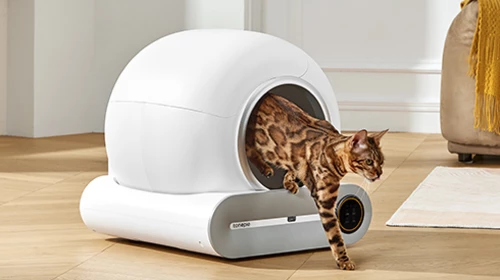
In recent years, the market has been flooded with smart, self-cleaning options. An Automatic vs Traditional Cat Litter Box comparison isn’t just about the box itself; it’s about evaluating a lifestyle change. These high-tech devices promise to eliminate the daily dreaded chore by automatically separating waste from clean litter.
Why Choose an Automatic Litter Box?
- Unmatched Convenience: The primary allure is time-saving. Models like the popular Litter-Robot or PetSnowy automatically sift the litter minutes after your cat exits, depositing clumps into a sealed receptacle below. For busy professionals or those with mobility issues, this hands-off approach is revolutionary.
- Superior Odor Control: Because waste is promptly removed from the open air and stored in a sealed, often carbon-filtered compartment, the ambient smell in your home is drastically reduced. The constant sifting ensures a fresh bed of litter for every use.
- Litter Savings: Many users report significant savings on cat litter. The precise sifting mechanisms of automatic boxes are incredibly efficient, ensuring that only the soiled clumps are removed. Some manufacturers claim up to a 50% reduction in litter consumption compared to traditional scooping methods.
- Ideal for Multi-Cat Households: Cats are notoriously territorial about their bathroom space. A self-cleaning box provides a clean surface every time, which can reduce behavioral issues and territorial disputes among multiple felines sharing a single bathroom area.
- Smart Features and Health Tracking: Many modern units are WiFi-enabled and connect to smartphone apps. These apps don’t just alert you when the waste drawer is full; they can track how often your cat visits the box and even monitor their weight. If your cat suddenly starts visiting the box ten times a day, the app can alert you to a potential urinary tract infection before you might have noticed otherwise.
The Considerations and Cons
The most significant barrier to entry is the average cost of automatic cat litter box models. Reputable, reliable units typically range from $300 to over $700. This is a substantial investment compared to a $20 plastic pan.
Additionally, automatic cat litter box maintenance isn’t entirely non-existent. While you don’t scoop daily, you still must empty the waste drawer (usually once a week for a single cat), replace the liner bags, and perform a deep clean of the internal components every few months. The machinery is also bulky, taking up significantly more floor space than a standard box. Finally, the noises and movements of a self-cleaning cycle can terrify skittish cats, and some may refuse to use it entirely.
Automatic vs Traditional: A Direct Comparison
To make the decision clearer, let’s look at a side-by-side comparison of the key factors to consider when evaluating an Traditional vs Automatic Cat Litter Box.
| Feature | Traditional Litter Box | Automatic Litter Box |
|---|---|---|
| Initial Cost | Very Low ($10 – $50) | Very High ($300 – $700+) |
| Daily Effort | High (Requires daily scooping) | Very Low (Empty drawer weekly) |
| Odor Control | Moderate to Poor (Depends on scooping frequency) | Excellent (Waste is quickly sealed away) |
| Litter Usage | High (More clean litter is wasted during scooping) | Low (Efficient sifting saves litter) |
| Size & Footprint | Small to Moderate | Large and Bulky |
| Cat Acceptance | Very High (Familiar and quiet) | Moderate (Motors and movement can be scary) |
| Maintenance | Simple (Wash pan with soap and water) | Complex (Requires deep cleaning, bag replacements, filter changes) |
| Reliability | 100% Reliable (No parts to break) | Prone to occasional mechanical or software issues |
Which is Worth It?
When determining the winner in the battle of Automatic vs Traditional Cat Litter Box, there is no single right answer. The “best” choice depends entirely on your specific circumstances.
A traditional cat litter box is worth it if:
- You are on a strict budget and want to keep initial costs low.
- Your cat is highly anxious, easily startled by noises, or has a history of litter box aversion.
- You live in a very small apartment where floor space is at a premium.
- You prefer to monitor your cat’s waste manually for immediate health cues.
An automatic cat litter box is worth it if:
- You have the budget to treat the purchase as a long-term appliance investment.
- You loathe the daily chore of scooping and want to reclaim that time.
- You have multiple cats and struggle to keep a traditional box clean enough for all of them.
- You frequently work long hours or travel for a day or two and need assurance the box remains clean.
- You value the smart tracking features to keep an eye on your cat’s bathroom habits via an app.
Ultimately, if the average cost of automatic cat litter box models fits within your budget, the sheer convenience and superior odor control often make the investment worthwhile for modern pet parents. It transforms a daily, unpleasant chore into a weekly, manageable task. However, the tried-and-true traditional pan remains a perfectly valid, reliable, and cost-effective choice for those who don’t mind a little elbow grease.
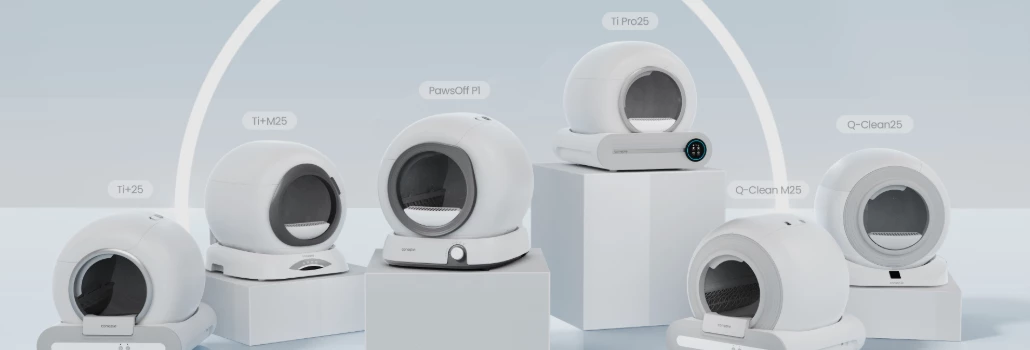
Explore Tonepie Self-cleaning Litter Boxes
FAQs
Do I need to buy special litter for an automatic litter box?
Most automatic litter boxes on the market today require high-quality clumping clay litter to function correctly. The sifting mechanisms rely on hard, solid clumps to separate the waste from the clean litter. Using non-clumping litter, wood pellets, or crystal litter (unless specifically designed for a certain model, like the PetSafe ScoopFree) can cause the machine to jam or fail to clean properly. Always check the manufacturer’s recommendations for your specific unit.
Is automatic cat litter box maintenance difficult?
While you eliminate daily scooping, maintenance is still required. Regular maintenance involves emptying the waste drawer and replacing the liner bag every 1-2 weeks, depending on the number of cats. Furthermore, you will need to do a “deep clean” every 1 to 3 months. This involves emptying all the litter, wiping down the interior globe or rakes with a pet-safe cleaner, and replacing any carbon filters. While not difficult, it is a more involved process than simply hosing down a plastic pan.
Will my cat be too scared to use an automatic litter box?
This is a common concern. While many cats adapt quickly, the noise and movement of the cleaning cycle can frighten timid felines. The key is a slow introduction. Do not immediately remove their old box. Set up the automatic box next to the old one, but leave it unplugged. Let your cat use it as a normal box for a few days to get used to the shape. Once they are comfortable, manually cycle the machine while they are in the room (but not in the box) so they can hear the noise. Gradually transition to automatic mode only when you are sure they are comfortable.