



How Often Should You Clean a Litter Box? And How Smart Litter Boxes Help
Release time: 2026-07-22
Table of Contents
If you’re a cat owner, you know that keeping your furry friend’s bathroom clean is essential. A dirty litter box isn’t just unpleasant for you; it can cause your cat significant stress and even lead to health issues. Cats are famously fastidious creatures, and if their environment isn’t up to their standards, they might find somewhere else in your house to do their business.
The question of how often to clean a litter box is one of the most common among pet parents. Let’s break down the ideal cleaning schedule, the factors that affect it, and how modern technology—specifically smart litter boxes—is changing the game.
How Often Is Enough?
The short answer is: you should scoop daily.
At an absolute minimum, solid waste and clumps of urine should be removed once a day. Many veterinarians and experienced cat owners actually recommend scooping twice a day, especially if you have a busy household.
However, scooping is just part of the routine. The type of litter you use dictates the deeper cleaning schedule.
Clumping vs. Non-Clumping Litter
If you use clumping litter, which is widely favored because it locks in odors and makes waste removal easy, you should plan to change the entire contents of the litter box every 2 to 4 weeks.
If you prefer non-clumping litter (like pine pellets or silica gel), you will need to replace the litter much more frequently. Because non-clumping litter doesn’t isolate the urine, odors can build up quickly. You should aim to completely change non-clumping litter at least once or twice a week.
The Deep Clean
Regardless of the litter type, the box itself needs regular washing. Every 2 to 4 weeks (or whenever you do a full litter change), you should empty the box completely and wash it with hot water and a mild, unscented dish soap.
Avoid harsh chemicals or strong-smelling cleaners like bleach. Cats have incredibly sensitive noses, and the lingering smell of strong detergents can be just as off-putting to them as a dirty box.
Factors That Change the Frequency
The standard advice is a great starting point, but several variables in your home might require you to increase your cleaning frequency:
- Number of Cats: The golden rule of cat ownership is one litter box per cat, plus one extra. However, if multiple cats are sharing boxes, those boxes will need more frequent scooping (sometimes 2-3 times a day) and more regular full litter changes.
- Your Cat’s Health and Age: Kittens and senior cats often urinate more frequently. Cats with certain health conditions, like kidney disease or diabetes, will also use the box more often, requiring you to be more diligent.
- Litter Box Age: Plastic litter boxes develop microscopic scratches over time from your cat’s digging. These scratches harbor bacteria and trap odors that no amount of scrubbing can remove. Experts generally recommend replacing standard plastic litter boxes every 1 to 2 years.
Enter the Smart Litter Box
While scooping daily is manageable for some, it can be a tedious chore for busy professionals, multi-cat households, or individuals with mobility issues. This is where the smart litter box steps in.
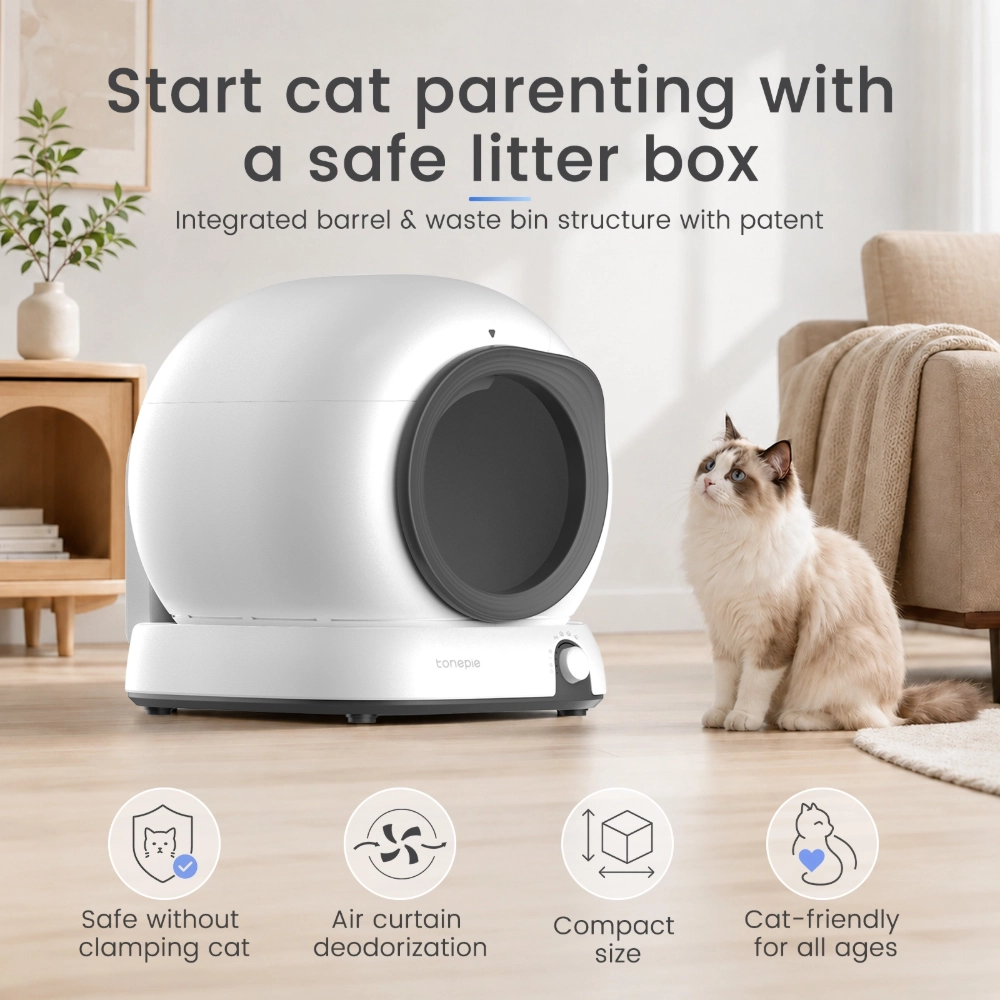
Smart cat litter boxes have evolved significantly from the noisy, clunky machines of the past. Today’s models offer automated cleaning, odor control, and advanced health monitoring. But are they right for you?
How Smart Litter Boxes Work
Most automatic models use a rotating drum or a sifting mechanism to separate clean litter from waste shortly after your cat leaves the box. The waste is deposited into a sealed, odor-blocking compartment below.
Instead of scooping daily, your maintenance routine shifts to simply emptying the waste drawer every few days to a couple of weeks, depending on the bin capacity and the number of cats using it.
The Benefits of Upgrading
- Consistent Cleanliness: Because the box cleans itself after every use, your cat always steps into fresh litter. This drastically reduces the chances of them rejecting the box.
- Odor Control: By promptly removing and sealing away waste, smart litter boxes keep your home smelling much fresher than a traditional box ever could.
- Time-Saving: You reclaim the time spent scooping every day.
Advanced Health Tracking
Perhaps the most compelling reason to invest in a smart litter box today is the health tracking capabilities. Modern devices are equipped with sophisticated sensors (like micro load cells) and sometimes even AI cameras.
These smart systems connect to apps on your phone and can track:
- Weight Monitoring: Sudden weight loss or gain is often the first sign of illness in cats.
- Usage Frequency: The app logs how often your cat visits the box and how long they stay. An increase in visits could indicate a Urinary Tract Infection (UTI) or other issues.
- Multi-Cat Recognition: Premium models use weight sensors and even facial recognition to distinguish between different cats in the same household, creating individual health profiles for each pet.
- Urine pH: Some of the newest AI-powered models, when paired with specific litters, can even analyze the color of the clumps to monitor urine pH, offering early warnings for kidney or bladder issues.
Comparing Your Options
Here is a quick breakdown to help you compare the maintenance of a standard box versus a smart model:
| Maintenance Task | Traditional Litter Box (Clumping) | Smart Litter Box |
|---|---|---|
| Scooping | 1-2 times daily | Automatic (No manual scooping) |
| Emptying Waste Drawer | N/A | Every 7-15 days |
| Full Litter Replacement | Every 2-4 weeks | Every 3-4 weeks (depending on model) |
| Deep Cleaning the Unit | Every 2-4 weeks | Every 1-3 months |
| Health Monitoring | Manual observation only | App-based tracking (weight, frequency) |
Making the Transition
If you decide a smart litter box is right for your home, remember that cats are creatures of habit. Transitioning them requires patience.
- Don’t Toss the Old Box Yet: Place the new smart box next to their old one.
- Keep it Unplugged at First: Let your cat get used to the shape and smell of the new box without the noise or movement of the cleaning cycle.
- Use Familiar Litter: Fill the new box with the brand of litter they are already using (provided it’s compatible with the machine).
- Positive Reinforcement: Offer treats when they investigate or use the new setup.
While a smart litter box requires a larger upfront investment (typically ranging from $150 for basic models to over $600 for advanced AI units), many owners find the convenience, odor reduction, and peace of mind regarding their pet’s health to be well worth the price. Whether you stick to the scoop or upgrade to a robot, keeping that box pristine is the key to a happy, healthy cat.
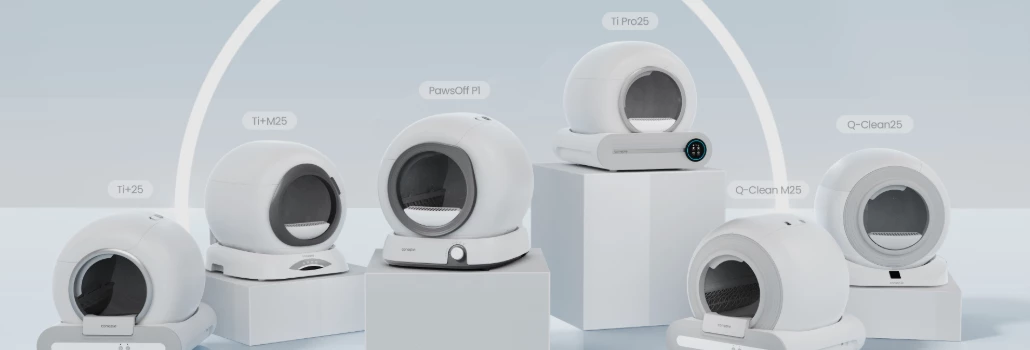
Explore Tonepie Self-cleaning Litter Boxes
FAQ
Are smart litter boxes safe for kittens or very small cats?
Most manufacturers advise against using the automatic cleaning function for kittens under 6 months old or weighing less than 3 to 5 pounds. The safety weight sensors that prevent the machine from cycling while a cat is inside are calibrated for adult cats. If you have a kitten, leave the machine unplugged and use it as a manual box until they reach the required weight.
Can I use any type of litter in an automatic litter box?
Generally, no. Most self-cleaning boxes that use a sifting mechanism require a high-quality, hard-clumping clay litter to function properly. Some models are designed specifically for crystal or silica gel litter. Non-clumping litters (like wood pellets or paper) will usually jam the mechanism. Always check the manufacturer’s recommendations before purchasing.
Do smart litter boxes eliminate all odors?
While they significantly reduce odors by promptly removing waste and sealing it in a separate compartment (often with carbon filters), they don’t completely eliminate all smells instantly. You still need to empty the waste drawer regularly and deep clean the interior surfaces every few weeks to prevent lingering odors from absorbing into the plastic.